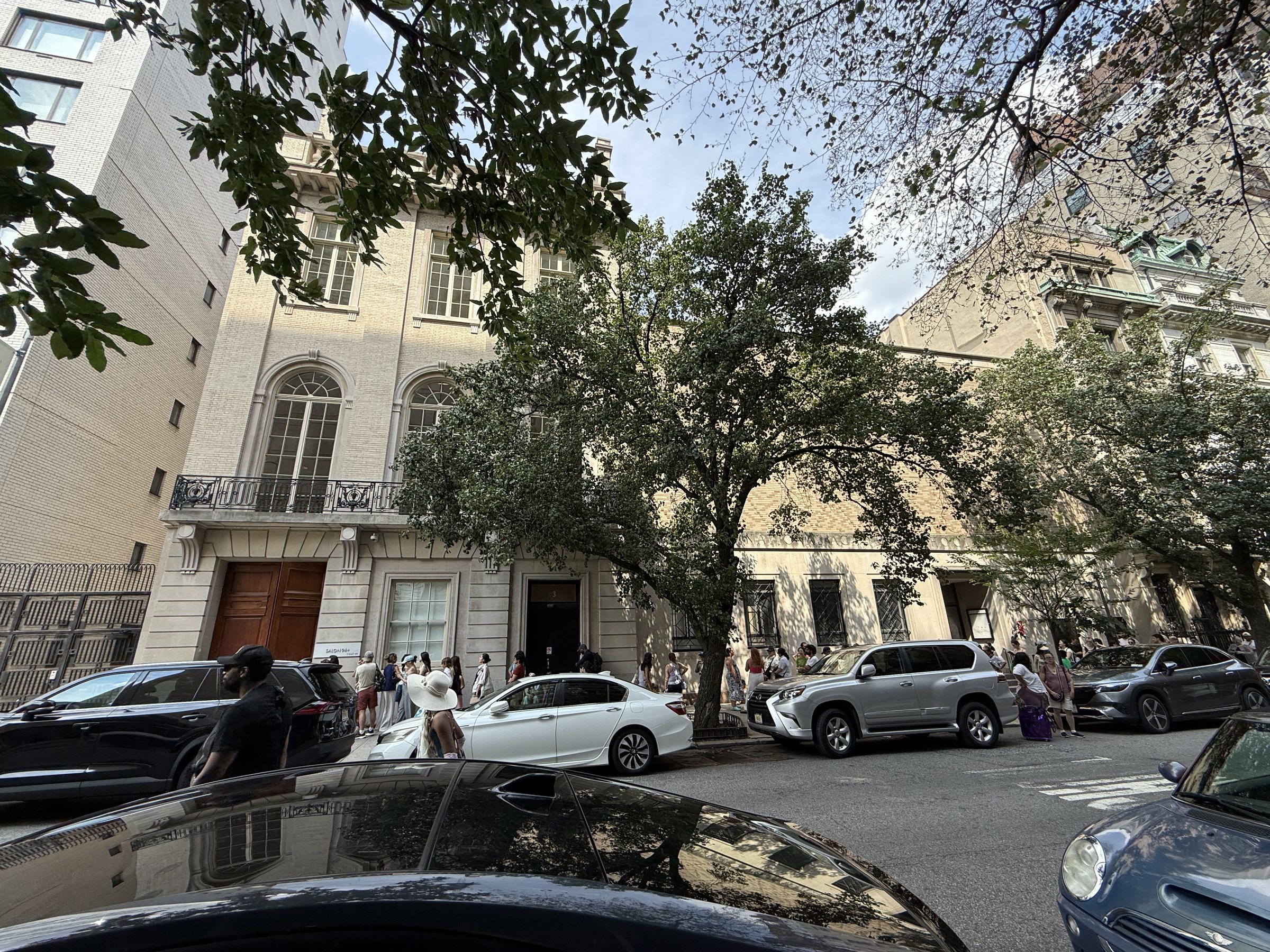
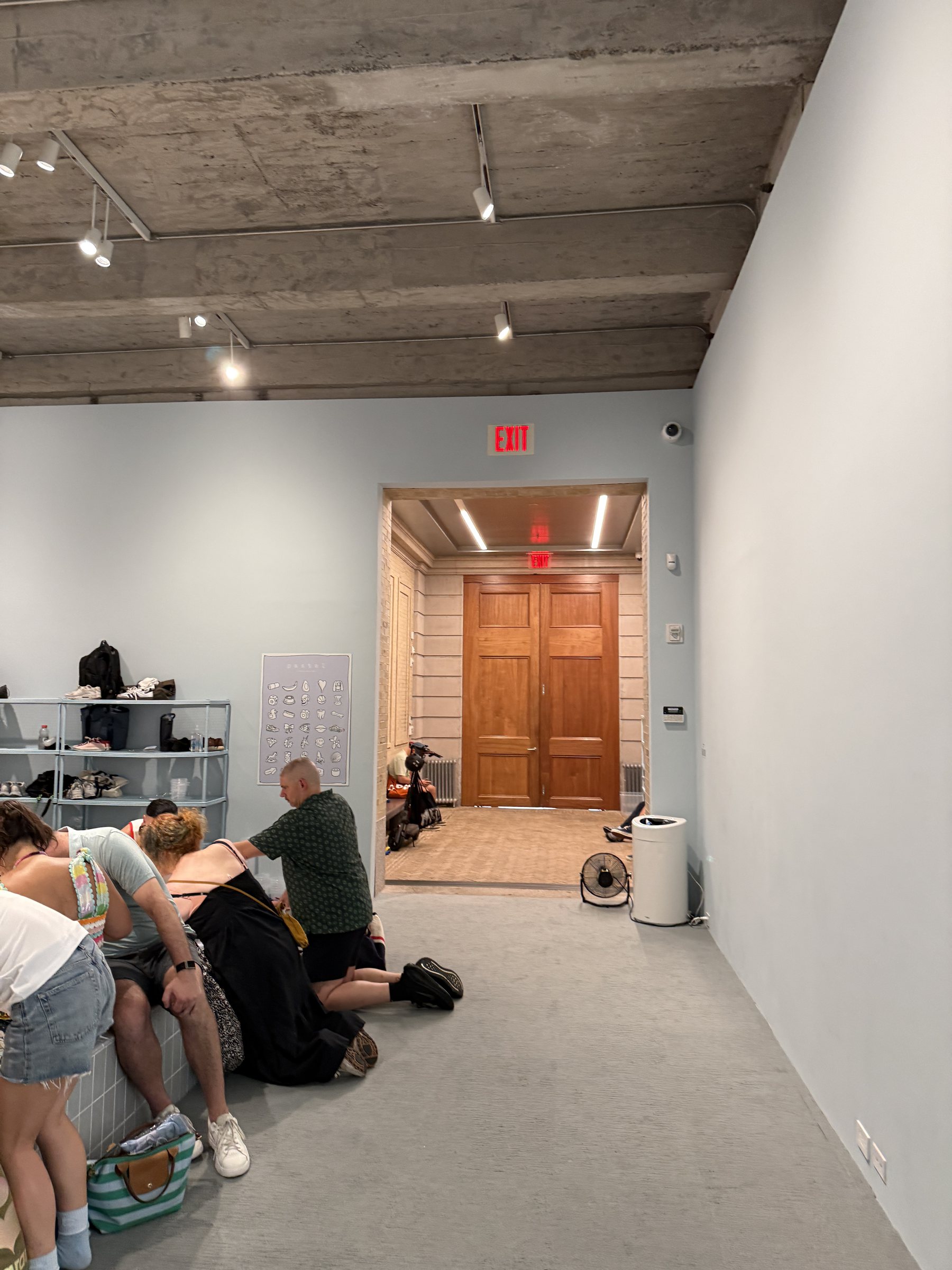
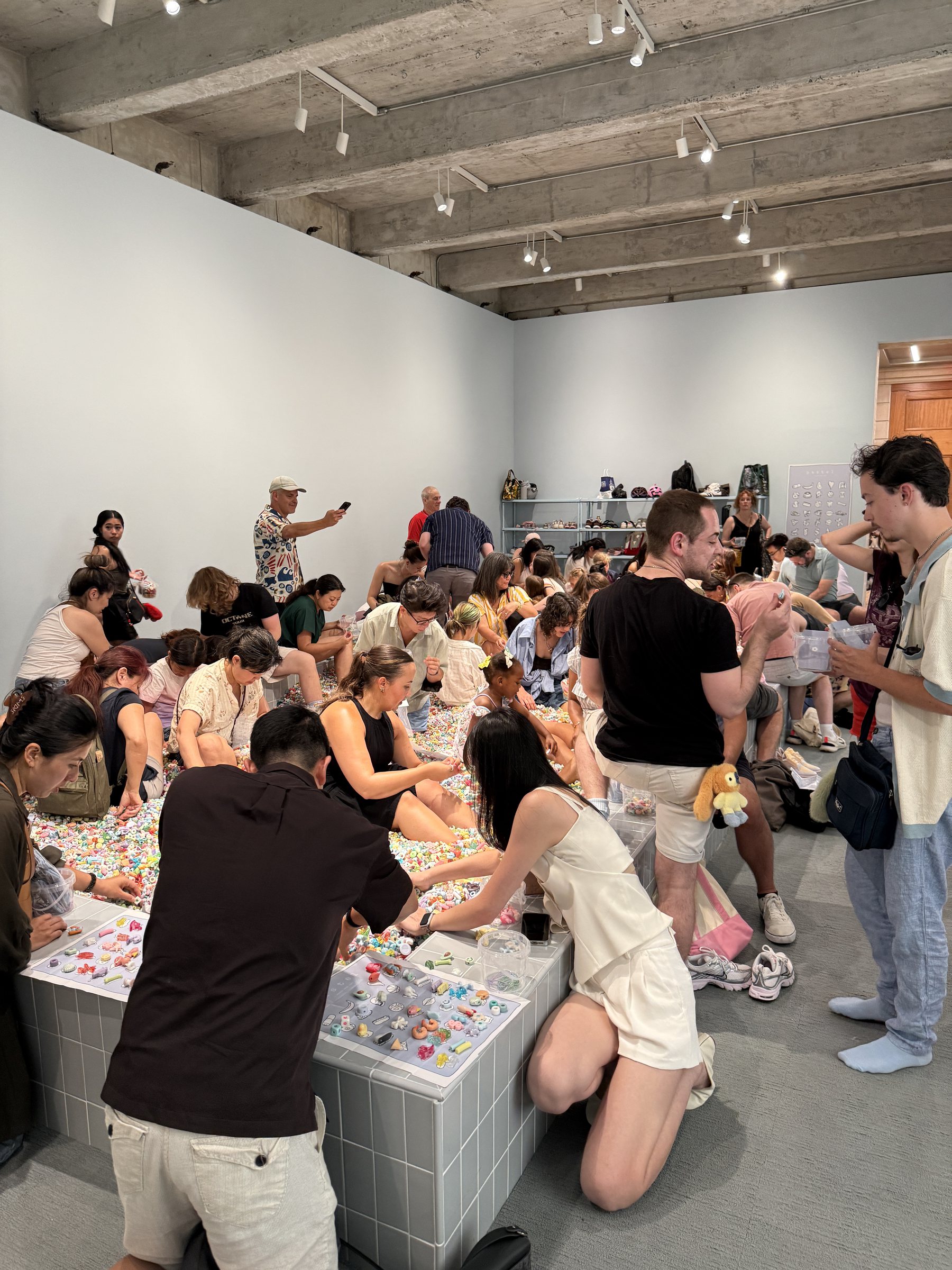
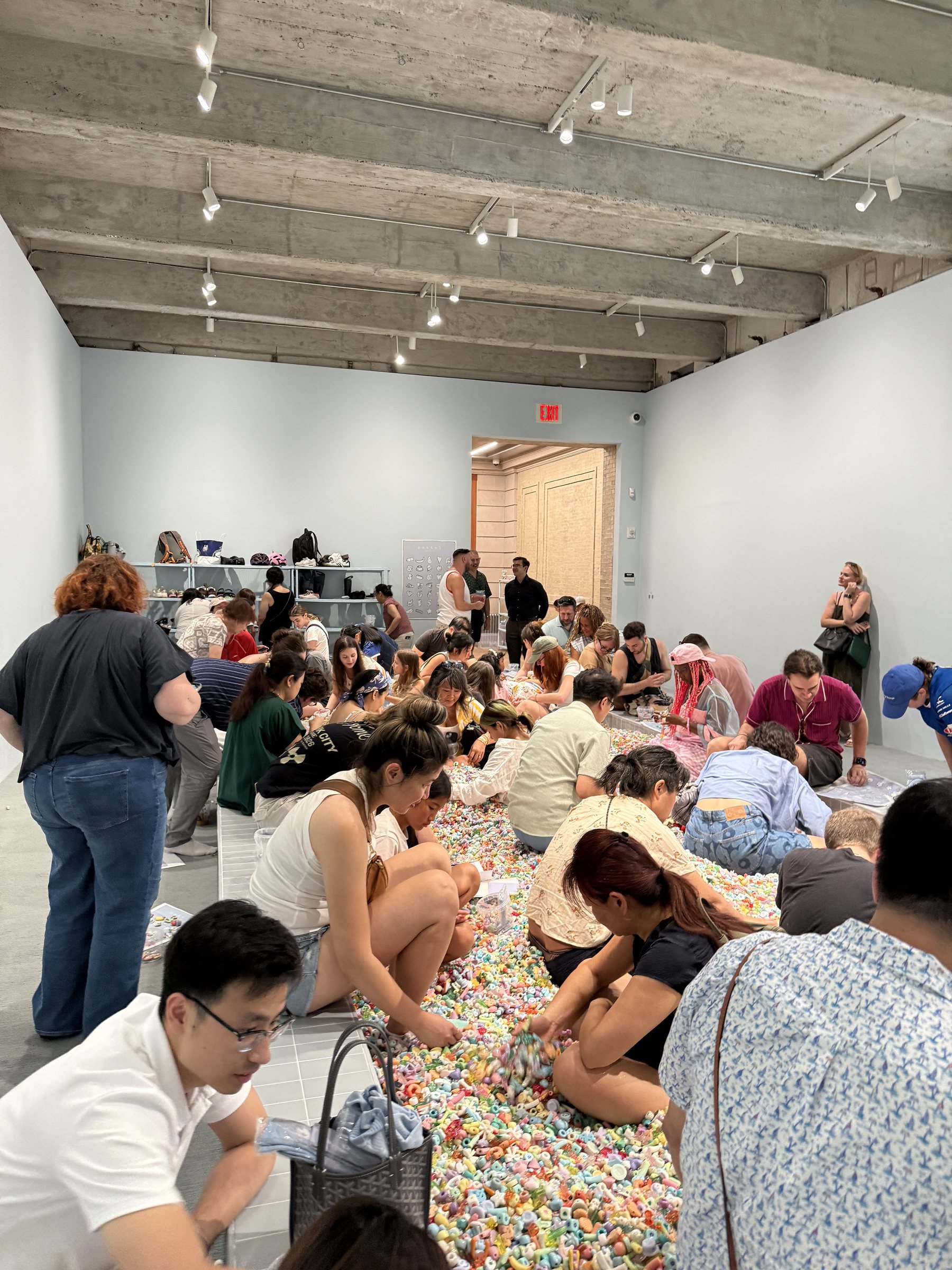
Daniella was at the door when I arrived. Everyone called her Dani. She smiled at each person coming through like they were the first guest of the day, not the hundredth. Andrew, from the gallery, was upstairs. The show was already full in the way a show made for families gets full: strollers, kids running, sounds of competition and discovery and someone asking who found what.
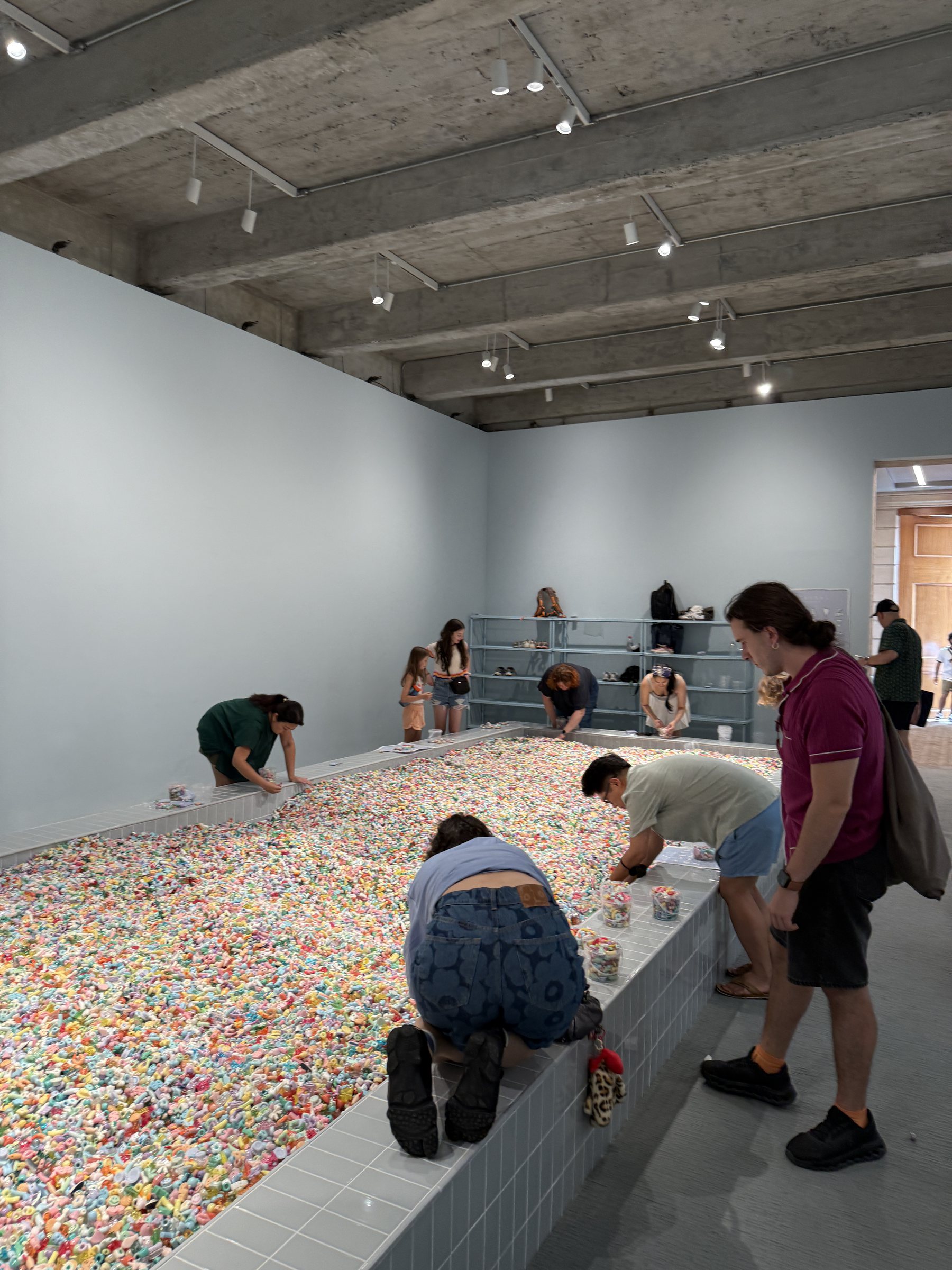
The first thing you notice is the sound. The bead pit sounds like ocean waves crashing on a jetty during a summer storm. Countless small things shift against each other, constantly. It doesn’t feel overwhelming. It feels therapeutic.
This is the story of how I know CJ. I’ve bought some of her editions over the years. Originals are still out of my price range. She’s warm, and seems to genuinely enjoy interacting with her fans. Since I bought some of her artwork, like everyone else who’s also bought her editions, I’d receive an invitation to the next show.
When I visited Plaid in Brooklyn, I brought an Australian friend, Chelsea, with me. I had talking points prepared. CJ and Chelsea wanted to talk about their experience having children. Feeling a little uncomfortable about the detailed way Australian women talk about birth, I made friends with her mom, Judo.
I went to Miami for a day trip to see Hoooooops at Art Basel. She built a permanent 34-hoop sculpture in a park near the water. I got there too early and ended up in the product photos, which surprised me since I’m not much of a basketball player. I’m better than CJ though.
After Miami, I attended the Public Pool opening in Sandy Valley, NV. The shirt I wore to Pastel today came from there. I wore it on purpose.
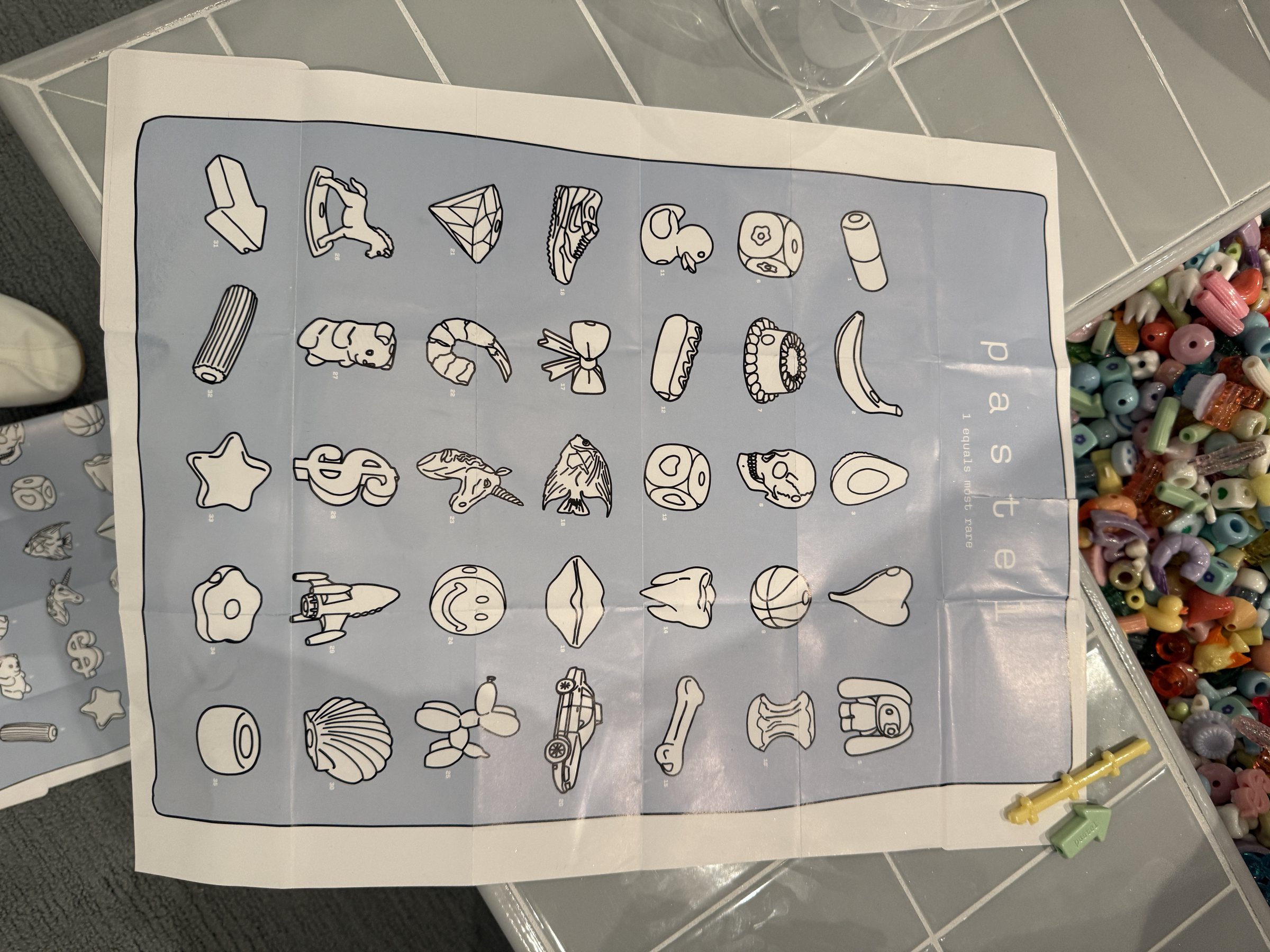
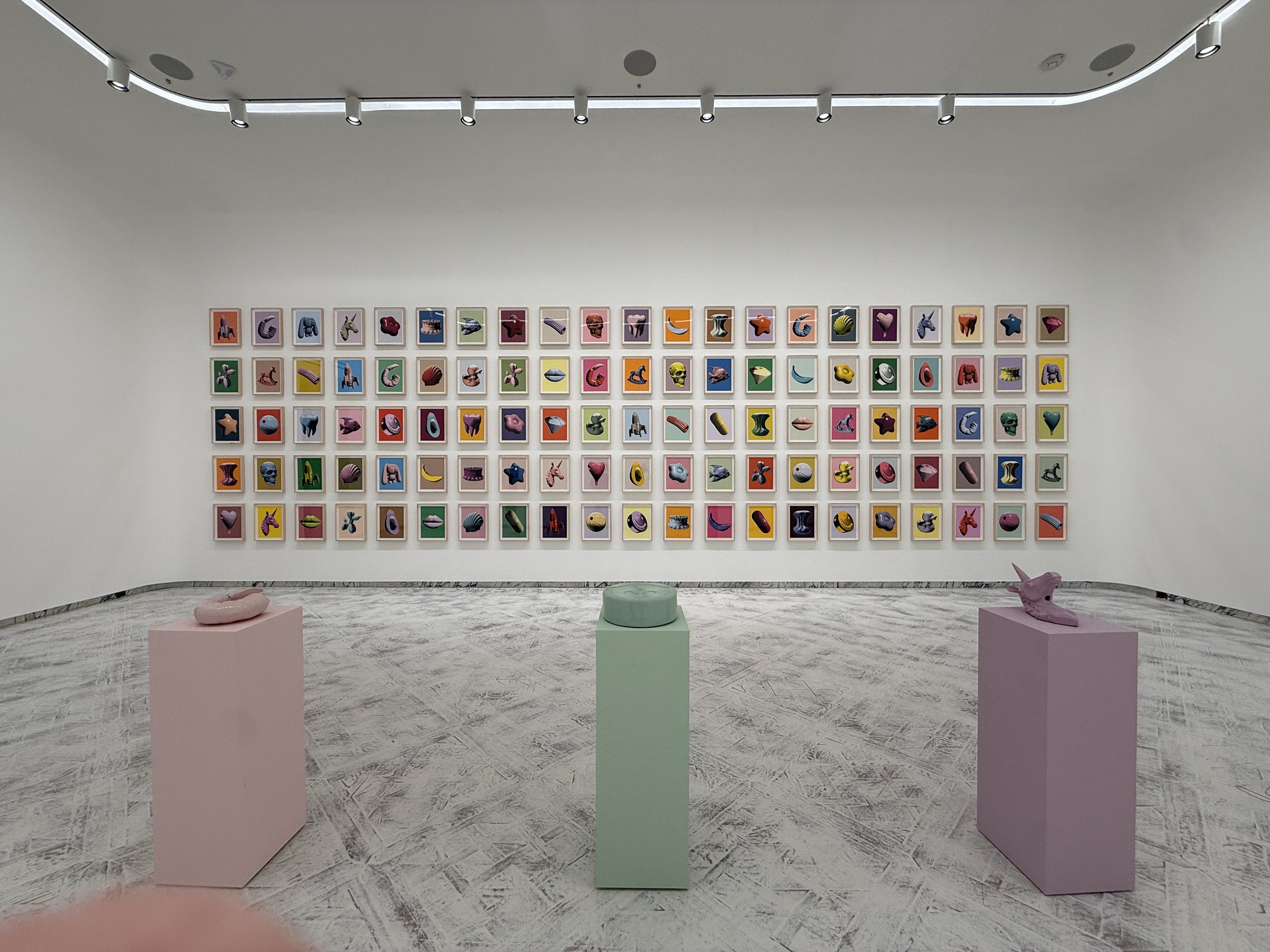
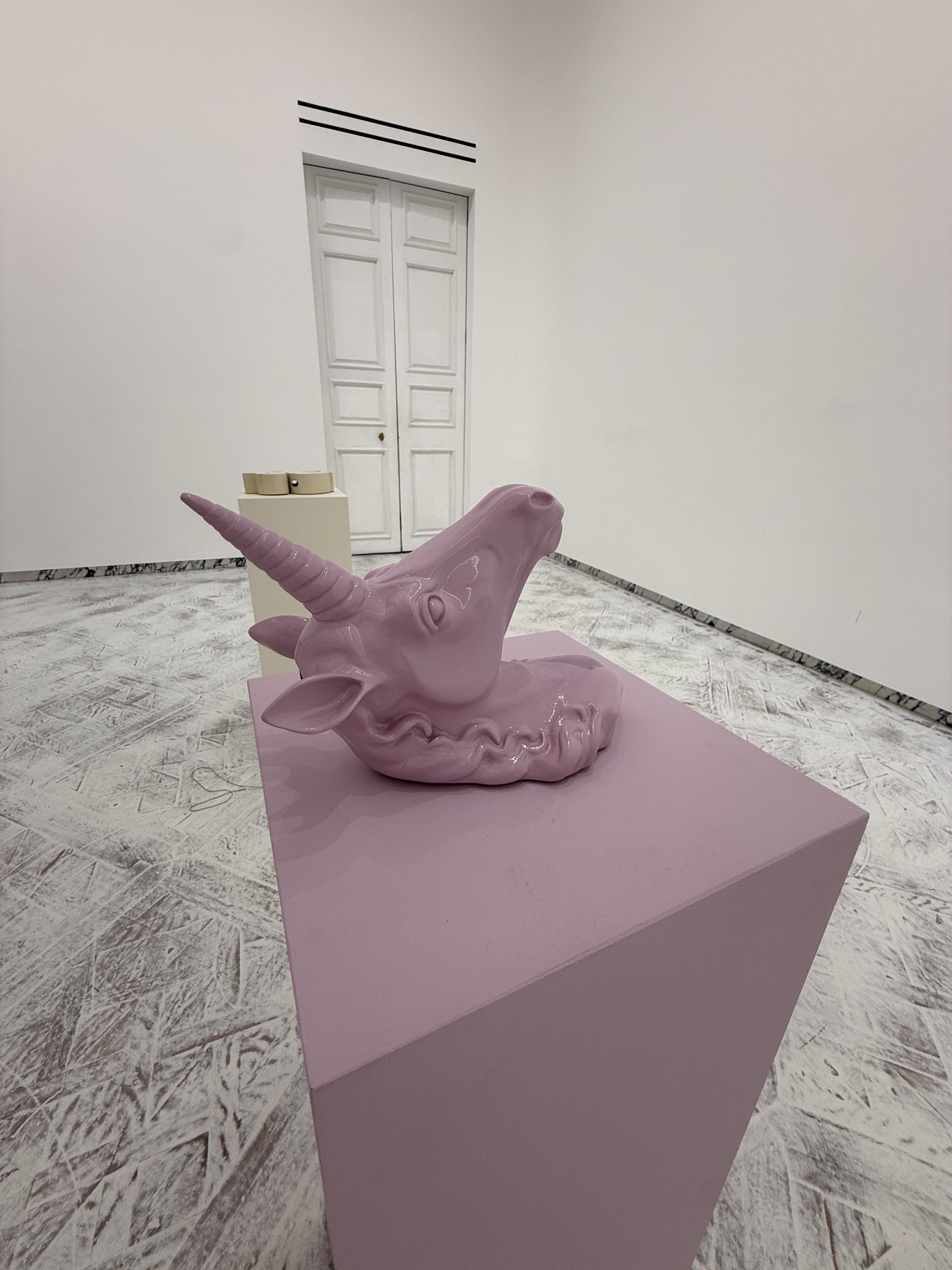
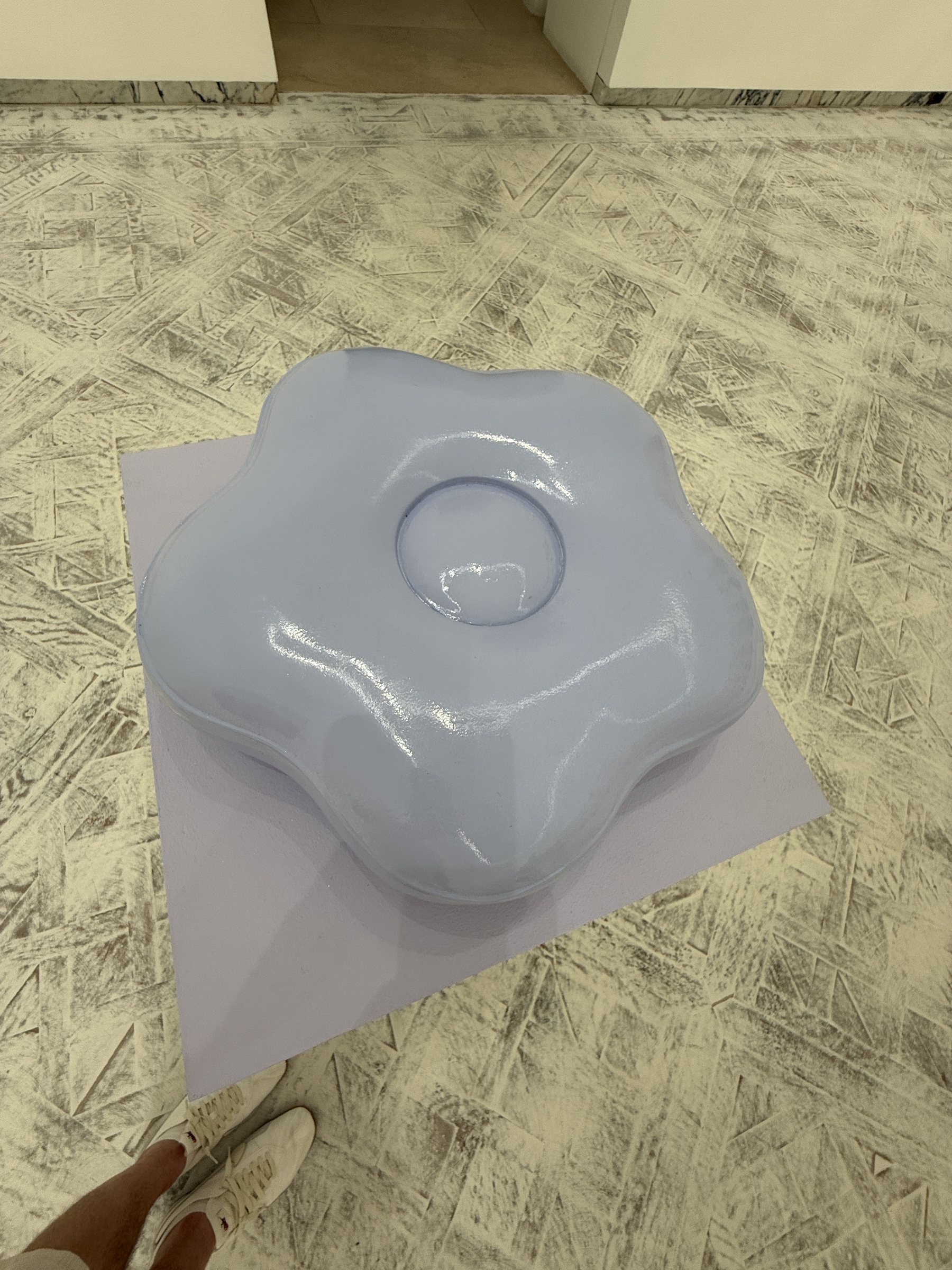
At Pastel, you receive a map when you walk in. It tells you which bead shapes exist and how rare each one is. Flowers. Smiley faces. Basketballs. Spaceships. Pills. Unicorns. The mission is to find one of each. I reached in and tried to find the bottom of the pit, again and again, until my arm was covered in glitter. I found most of the beads I searched for, but I couldn’t find a pill.
That tension is the whole show. Competitive and collaborative at the same time. People share beads when someone needs a shape they have two of. The families I watched were enthusiastic. Their exclamations filled the room, questions flying across the pit about who found what and who still needed which.
CJ was not there when I visited. Her sister Pam was, and she runs CJ’s social and logistics. Pam said hi between duties, then raced a Pastel employee through the bead pit and won. She recently started her own content creator and consultant company, called Sponcon.
CJ has always given socks at her exhibitions because, she’s said, they’re for everyone. The more the merrier. Other artists with her exposure value exclusivity. She went the other direction: something to experience, something to bring the whole family to, something open in a way most artists at her level don’t bother with.
Pastel is that argument made physical. You reach into the pit and take a piece of it home.
Everyone who attends is part of it, and gets to keep a piece of the work to cherish for themselves. That’s true inclusivity in an art world that usually values the opposite.
I took the subway home. It was relatively empty when I got on, everyone sitting, open seats. A mother and her daughter were across from me.
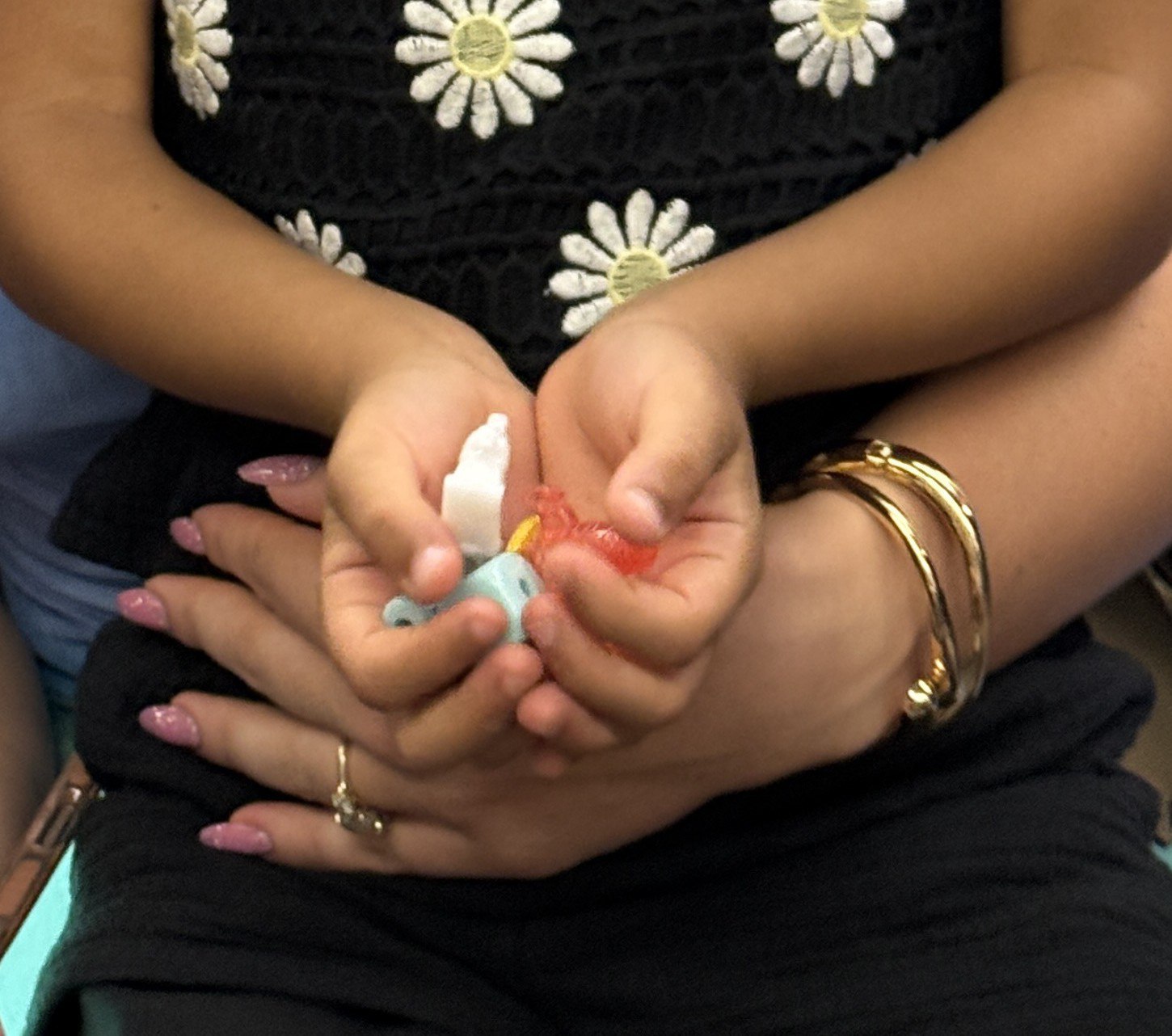
The daughter asked how I got my beads. Her name was Riley. She was six. They had waited in line at the show, but it was taking too long, so they left.
I offered Riley some of the beads from my container. She took six to match her age. Kristina thanked me. Riley said thank you too, in the shy way kids do with strangers.
As the train filled up, she gave two back, just because she liked to share.
I thanked them both, Kristina, for letting a stranger hand her daughter beads on a train, and Riley for giving some back without being asked. I hope they get back to the show. I hope Riley gets to collect more beads.